Is Reed-Sedge "Peat" the Same as Sphagnum? (Short Answer: Not Even Close)
Short answer: no. Long answer: the industry has let people assume otherwise for decades, mostly because nobody bothered to explain the difference — and that confusion has cost turf programs real money and real dead spots. Let's fix that.
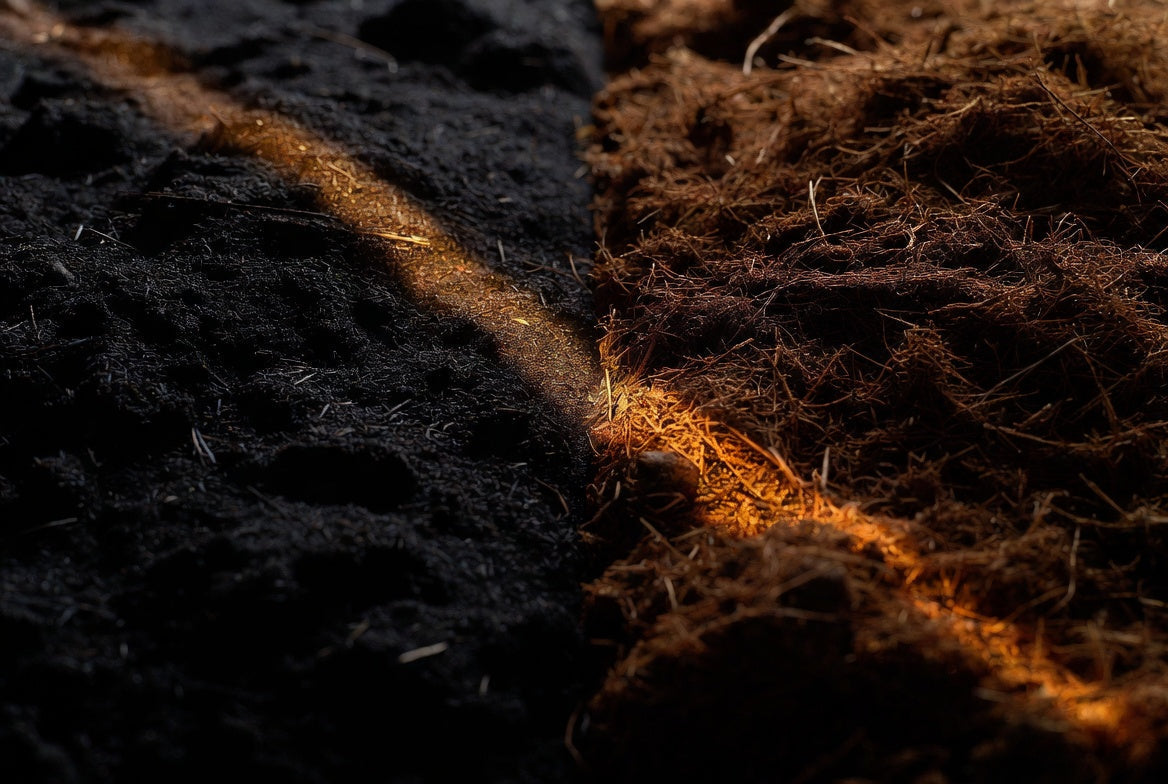
"Peat" gets used as a catch-all term, the same way "tissue" covers everything from a Kleenex to a paper towel. Reed-sedge peat and sphagnum moss peat are not the same material, formed the same way, or built for the same job. Here's the actual data.
Where Each One Actually Comes From
Sphagnum peat moss forms in acidic, low-nutrient bogs — mostly in Canada — from partially decomposed moss. It's young, on a geologic timescale, and acidic by nature.
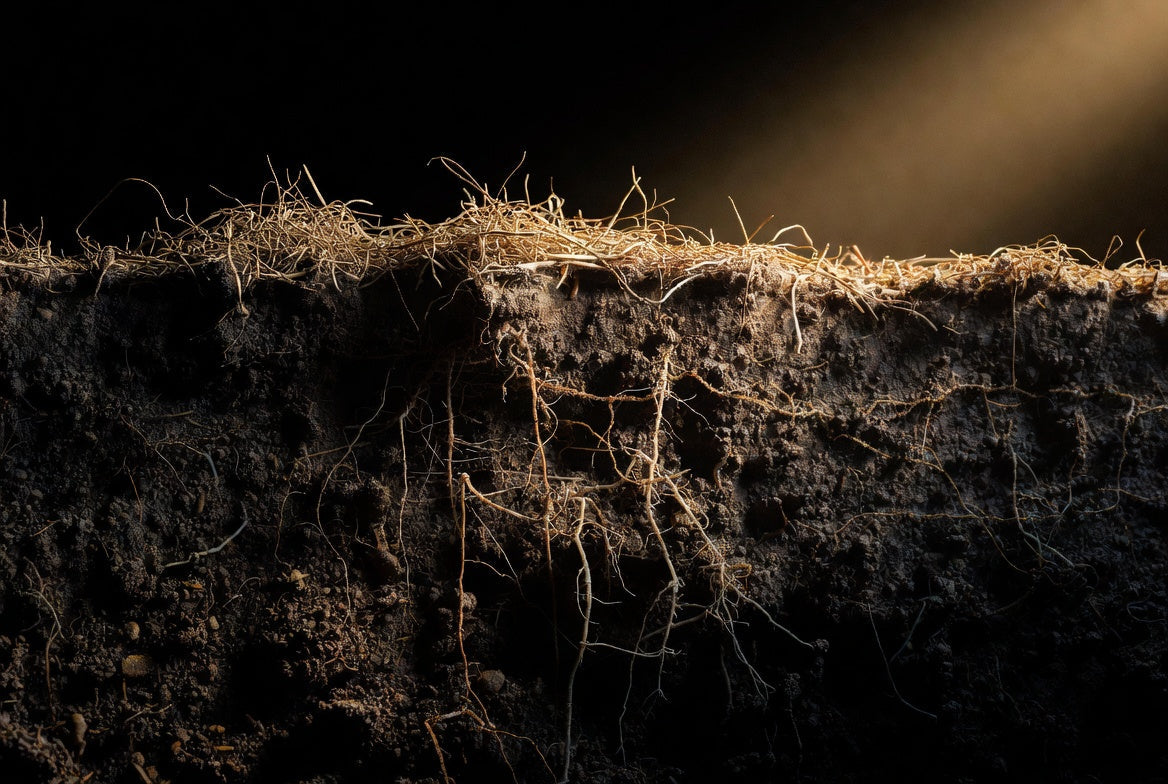
Reed-sedge peat forms from reeds, sedges, and rushes decomposing in nutrient-rich wetland sediment. Dakota Peat comes from deposits in the Red River Valley, formed in the nutrient-rich sediments of ancient glacial Lake Agassiz — a fundamentally different starting material, decomposed far more completely, in a completely different chemical environment.
The Numbers, Side by Side
| Property | Dakota Reed-Sedge Peat | Sphagnum Moss Peat |
|---|---|---|
| pH | Neutral (6.0–6.5) | Acidic |
| C:N ratio | 15:1 – 24:1 (stable, minimal nitrogen tie-up) | High — ties up nitrogen during decomposition |
| CEC (cation exchange capacity) | 140–165 | Lower, more variable |
| Rehydration / wetting behavior | Rehydrates fully, resists going hydrophobic | Prone to hydrophobicity once fully dried |
| Decomposition stage | Highly decomposed, stable humus | Less decomposed, more prone to ongoing breakdown |
| Mixing consistency | Homogenous, low layering risk in blends | Higher layering risk in sand-based mixes |
| Microbial fertility | Excellent — 811 species identified via independent BECROP DNA analysis | Limited, low-nutrient bog origin |
Why This Isn't Just Trivia
Every row on that table has a real consequence in a rootzone. A high C:N material ties up nitrogen while it finishes decomposing — it's still breaking down after you've already put it in the ground, borrowing fertility from your turf to pay for its own decomposition. Something prone to hydrophobicity once dry can create localized dry spots that are miserable to rewet. Layering risk in a blend can create exactly the kind of drainage and rooting problems sand-based rootzone construction is supposed to prevent in the first place.
Reed-sedge peat isn't "better" than sphagnum because of a marketing claim. It's different because it arrives already stable, already decomposed, and already carrying a functioning native microbiome — not still in progress.
Quick Answers
Is reed-sedge peat acidic like sphagnum?
No. Reed-sedge peat runs neutral, typically pH 6.0–6.5. Sphagnum is acidic by nature.
Does reed-sedge peat tie up nitrogen the way sphagnum can?
Reed-sedge peat's C:N ratio (15:1–24:1) reflects a highly decomposed, stable material with minimal nitrogen tie-up. Sphagnum's higher C:N ratio means more nitrogen gets consumed during its ongoing decomposition.
Which one has more microbial activity?
Reed-sedge peat. Dakota Peat's native microbiome was independently analyzed via DNA sequencing and found to contain 811 species — documented in full here. Sphagnum bogs are low-nutrient environments by definition, which limits microbial diversity at the source.
Are reed-sedge peat and sphagnum interchangeable in a rootzone mix?
Not without consequence. They behave differently on pH, nitrogen availability, rehydration, and mixing consistency — differences that show up in real turf performance, not just a spec sheet.
For more on how this plays out in practice — root growth, thatch management, and the biology behind it — see our posts on what actually drives root growth and the complete independent microbiome data.